General News, Meetings & Seminars
The CEO of the High Performance Building Alliance Attends UNECE Eleventh Energy Efficiency Session in Geneva
Oct
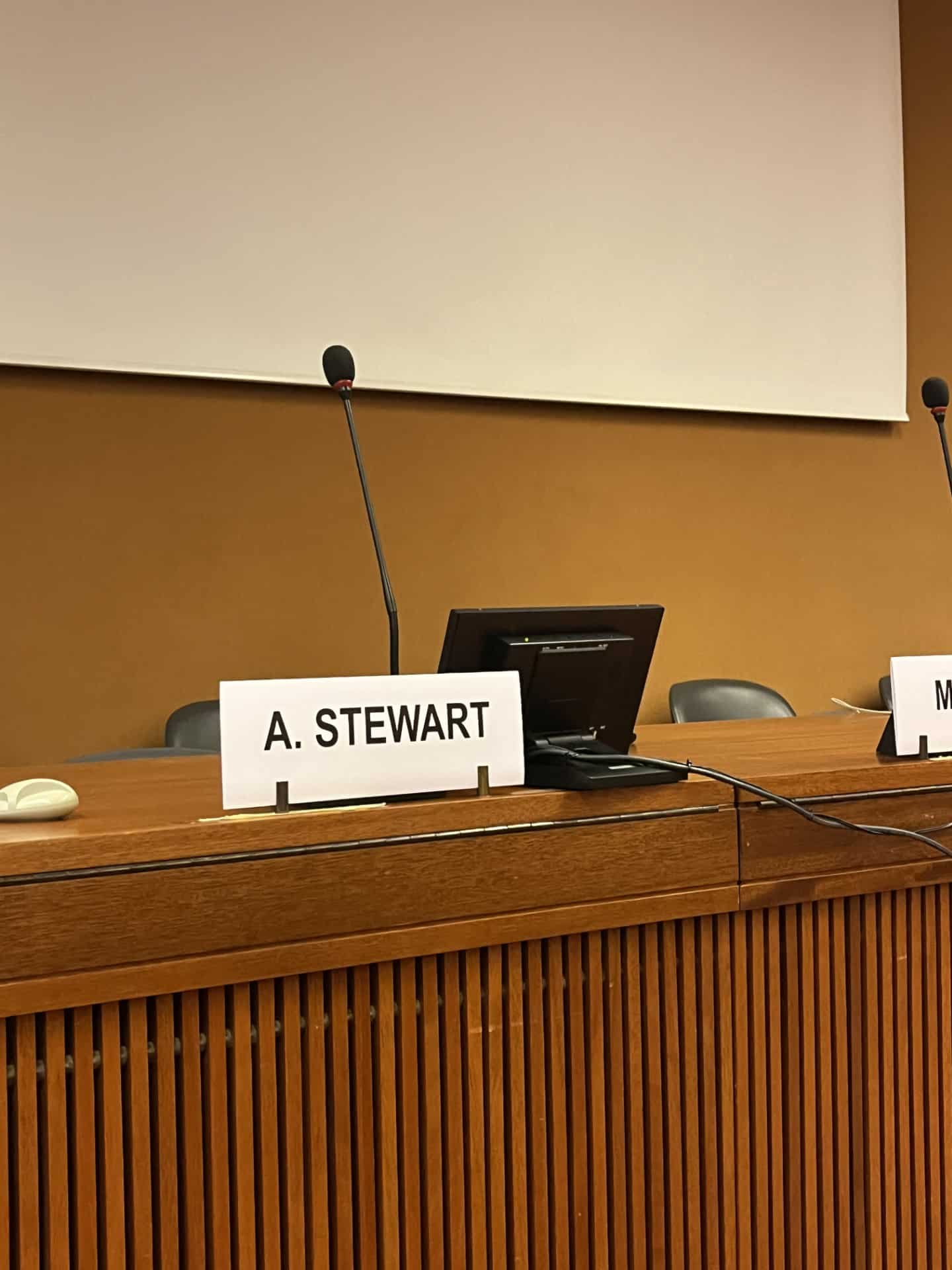
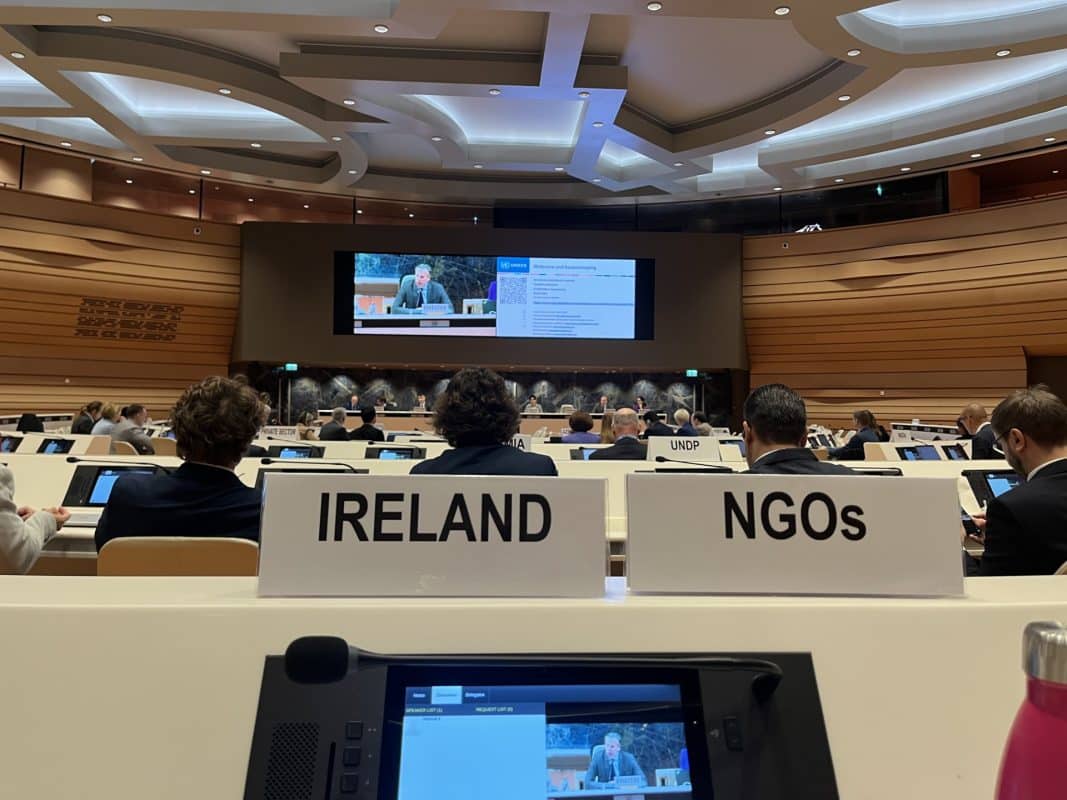
In a significant event for global energy efficiency and sustainable energy policy, Mandi Stewart, the CEO of the High Performance Building Alliance participated in the Eleventh Session of the Group of Experts on Energy Efficiency, held under the Committee on Sustainable Energy of the United Nations Economic Commission for Europe (UNECE). The session took place from 16–17 September 2024 in Geneva, bringing together energy leaders, policymakers, and stakeholders to review the progress and future of energy efficiency efforts.
Focus on the 2024–2025 Work Plan
A central focus of the meeting was the Implementation of the Work Plan for 2024–2025, which aims to advance energy efficiency and decarbonisation in line with UNECE’s broader energy sustainability objectives. The session shared key updates on ongoing and forthcoming reports and publications scheduled for release in 2024 and 2025. This information is vital as countries seek to enhance their energy systems to meet the challenges of climate change, rising energy costs, and the urgent need to reduce emissions.
Systemic Efficiency and Energy Resilience
Under the theme “Supporting energy efficiency improvement and decarbonization in industry,” participants discussed systemic efficiency approaches that can significantly increase energy resilience, reduce costs, and curb emissions. Systemic efficiency refers to the overall performance of the energy system, from generation to transmission, distribution, and end-use. The session emphasised that a holistic view of energy systems, encompassing both technical solutions and policy frameworks, is necessary to achieve meaningful improvements in energy productivity.
One key takeaway is the recognition that systemic efficiency cannot be achieved in isolation; it requires optimising the entire energy value chain by considering interactions between various energy components. This approach involves infrastructure design, governance structures, and stakeholder engagement. Policymakers and industry leaders were urged to embrace this multi-faceted approach to unlock the full potential of energy efficiency gains.
Raising Energy Performance in Buildings
Another highlight of the session was the focus on improving energy efficiency in the building sector, a critical area for reducing emissions and improving overall energy use. In partnership with several UN bodies—including the United Nations Development Programme, the United Nations Economic and Social Commission for Asia and the Pacific, and the United Nations Environment Programme—the Group of Experts and its Joint Task Force on Energy Efficiency Standards in Buildings initiated a project titled “Improving the energy efficiency of the global building supply chain industry and its products to deliver high-performance buildings.”
This project, which began in 2023 and will continue through 2024, underscores the idea that the technology and processes for high-performance buildings already exist. The challenge, as noted by many experts, lies in scaling these solutions across industries and nations. Buildings, as significant energy consumers, represent a pivotal opportunity for countries to meet their decarbonisation targets.
Unlocking the Potential of Digitalisation
A crucial discussion centred on how digital technologies can unlock greater energy system efficiency. This theme, titled “Unlocking the potential of energy system efficiency through digitalization,” covered several case studies highlighting the growing importance of digital tools in optimizing energy management. Topics included the governance and policy of digitalisation in the energy sector, balancing electricity supply and demand using artificial intelligence, and addressing behavioural barriers to adopting smart meters.
The Task Force on Digitalization in Energy, which is part of the Work Plan for 2024–2025, has been focused on developing case studies and evidence-based policy recommendations. These initiatives aim to provide guidance on leveraging digitalisation to achieve higher efficiency and sustainability while ensuring the security of energy systems. As digital technologies like AI and smart grids become integral to energy management, UNECE emphasized the need for robust policy frameworks to support this transition.
Resilience and Interoperability in Energy Systems
Another major theme of the meeting was increasing the resilience of energy systems. The importance of integrating energy efficiency with renewable energy in distributed power systems was a key discussion point. In addition, the participants stressed the need for planning infrastructure that integrates seamlessly with electrical grids, especially as mobility becomes increasingly electrified.
Case studies on grid edge management and cyber resilience of critical energy infrastructure were also presented, providing practical examples of how these concepts can be applied in real-world settings.
Scaling Solutions and Ensuring Implementation
The overarching message from the session was clear: the world possesses the technology and processes required to improve energy efficiency and decarbonisation. However, the next critical step is scaling these solutions and implementing them at national and international levels.
As a UN Centre of Excellence, the CEO of the High Performance Building Alliance underscored the importance of collaboration across sectors and regions, noting that integrated approaches and shared best practices will be key to unlocking the potential of systemic efficiency and digital innovation in energy. Mandi said “The work of the UNECE and its partners provides inspiration to support countries in navigating the complex journey toward a sustainable, efficient energy future and we are proud to be part of the conversation”.
Gallery